the Roundtable Knowledge Hub
Explore our growing collection of existing research, guidance, lessons learned, and case studies about alternative ways of resourcing human rights and social justice advocacy.

The rationale for alternative resourcing
Why do human rights and social justice NGOs need new forms of resourcing? Dependency on grant funding was already problematic for human rights and social justice organizations, but it became urgent in 2025





Types of alternative resourcing
We see the following revenue streams as possible options for NGOs seeking to reduce their dependency on grants.
Cost efficiencies
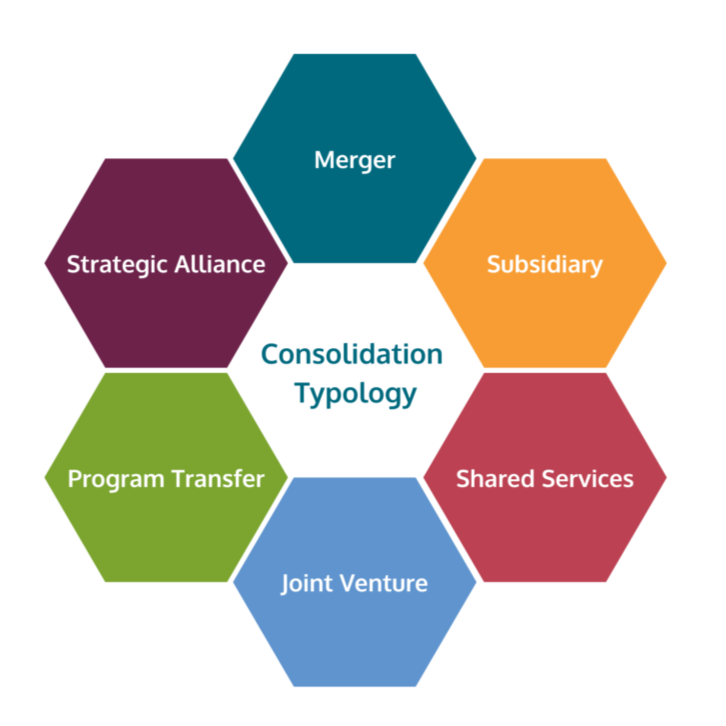
Saving costs through technology solutions, sharing back office expenses, partnerships or mergers between organizations.


Membership and constituencies
Deepening an NGO’s relationship with its supporters, including membership, volunteers, small and large donors

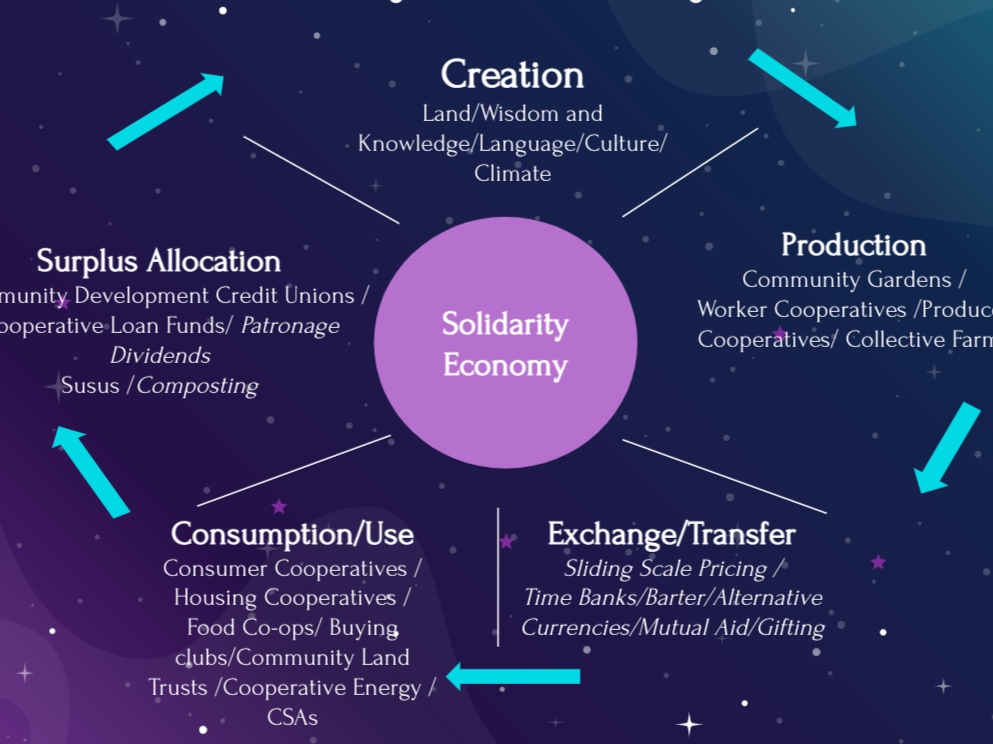
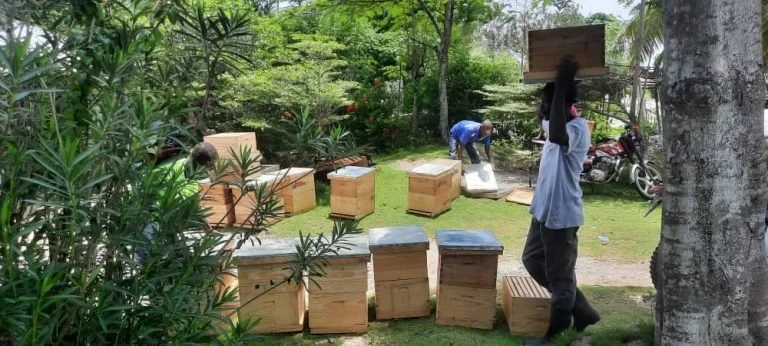
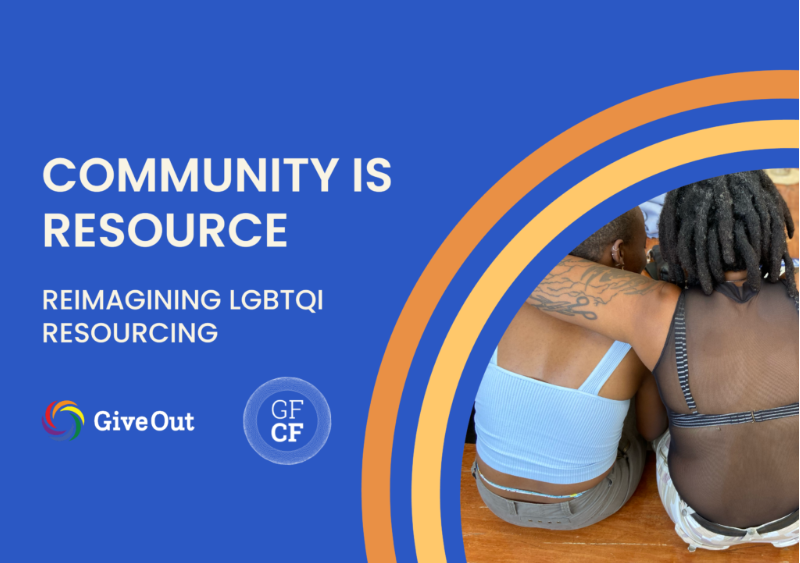
Community resourcing
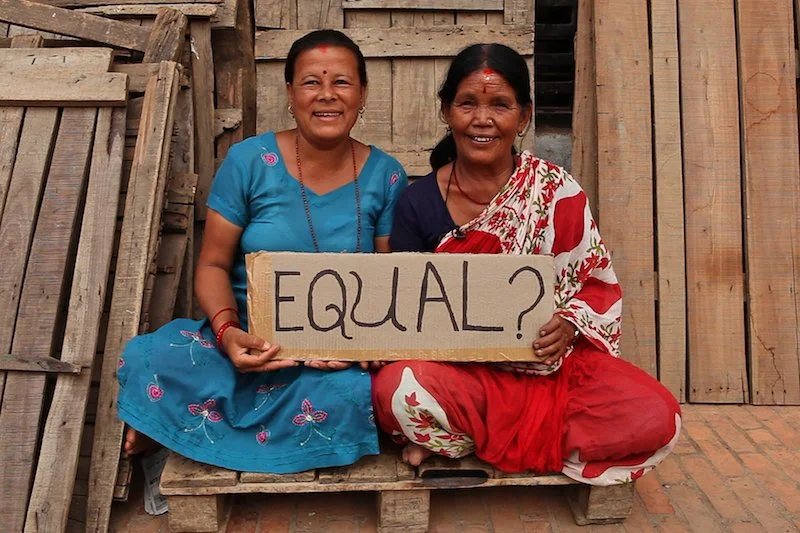
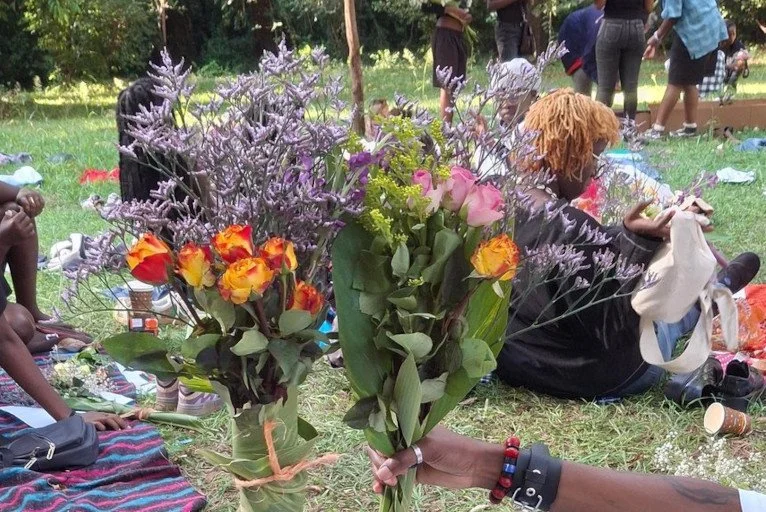
Pooling resources through mutual aid, solidarity economics, community philanthropy, or cooperative arrangements.

Revenue Generation from programs
From sales of goods and services, including merchandise, consulting services, and social enterprises


Building wealth
Through endowments, real estate purchases, or investments that provide dividends as flexible funding and may serve a wider goal

Impact investing and financing
Human rights and social justice organizations around the world are already using these revenue streams

Case studies
Human rights and social justice organizations around the world are already using these revenue streams
Existing toolkits and training
These programs offer guidance and advice to NGOs seeking to reduce grant dependency
Reforming international funding
We support these efforts to empower communities and advocates in new systems to resource NGOs